Halloween Egg Holder: A Designer’s Embroidery Review
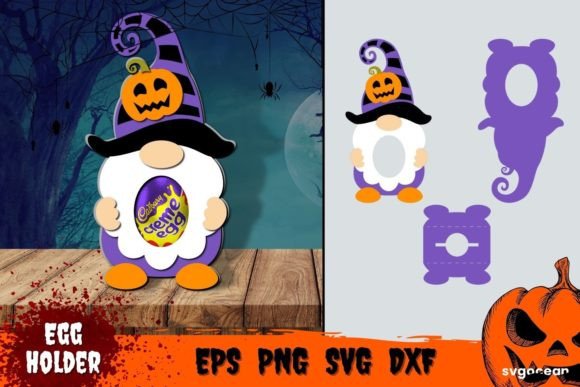
As a professional embroidery designer and product reviewer, I approach every new digital asset with a critical eye toward production viability. When evaluating the Halloween Egg Holder, my primary focus is not just on its aesthetic appeal as a seasonal graphic, but on how it translates from a digital screen to a tangible, stitched reality. While this product is categorized under Shapes and marketed as a 3D SVG bundle for cutting machines like Cricut Design Space, its structural geometry offers significant potential for mixed-media embroidery projects. For Etsy sellers, craft business owners, and apparel decorators, understanding the intersection between vector shapes and needlework is essential for creating high-value handmade products.
First Impressions and Structural Integrity
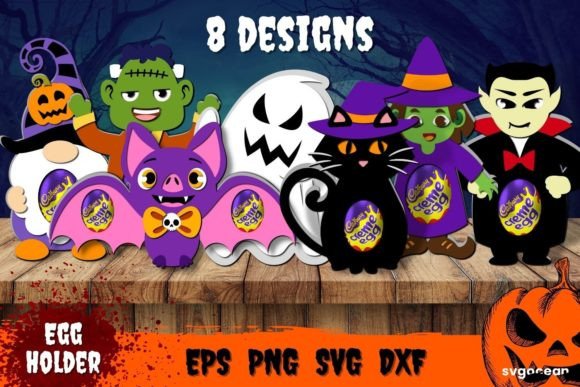
My initial assessment of the Halloween Egg Holder centers on its silhouette and line quality. In the world of machine embroidery design, clean vectors are the foundation of successful digitizing. This bundle includes eight distinct variations in SVG, PNG, EPS, DXF, and DWG formats. From a designer's perspective, having access to the raw SVG and EPS files is invaluable. These scalable vectors allow me to import the artwork directly into embroidery software to create custom applique designs or precise running stitch outlines without losing resolution.
The mood of this design strikes a balance between spooky and playful, making it versatile for various demographics. It avoids overly intricate internal details that often cause registration issues when stitching on textured fabrics. Instead, the bold, recognizable shape suggests it will perform exceptionally well as an applique design. The "3D" aspect mentioned in the product type implies depth and dimension; in embroidery terms, this translates beautifully to layered felt or fabric pieces that mimic the visual weight of the original vector art. For a creative entrepreneur, this means the design has enough visual personality to stand alone on a tote bag design or serve as a central motif on holiday embroidery projects.
Real-World Application: The Custom Tote Bag Test
To truly evaluate this asset, I mentally applied it to a real-life scenario: producing a batch of custom canvas tote bags for a local autumn market. Canvas is a forgiving yet structured fabric that demands confidence in stitch placement. Using the Halloween Egg Holder as a template, I envisioned a multi-layer applique where the egg shape is cut from orange cotton and the facial features are stitched in black satin stitch.
In this context, the design’s proportions are critical. A tote bag offers ample space, but the design must remain legible from a distance. The bold lines of this SVG bundle ensure that even when scaled up to fit a 6x10 hoop size, the edges remain crisp. For small shop products, this clarity builds customer trust. Shoppers at craft fairs or browsing Etsy listings can instantly recognize the theme without squinting at muddy details. Furthermore, because the bundle contains eight variations, I could offer a cohesive collection of personalized gifts—perhaps matching tote bags, tea towels, and aprons—using different expressions from the same set. This consistency strengthens brand identity and increases the perceived value of the finished product.
Navigating Fabric Limitations and Stitch Density
While the Halloween Egg Holder is versatile, experienced makers know that not all substrates behave equally. When adapting this vector shape for embroidery, one must be cautious with stretchy fabrics like jersey knits used in sweatshirt embroidery or baby clothes. The expansive fill areas inherent in an egg shape can cause puckering if the stitch density is too high or if inadequate stabilizer is used. I always recommend testing on scrap fabric first, especially when working with dark fabric where thread tension issues are more visible.
For curved surfaces like caps, the wide aspect ratio of an egg shape can be challenging. Caps have limited vertical stitching fields, and wrapping a wide design around the curve often leads to distortion. In such cases, I would utilize the PNG files to create a printable mockup before committing to stitching, ensuring the placement respects the cap’s seam structure. Additionally, tiny lettering or delicate accents within the design should be scrutinized. If the original vector includes fine details, they may need to be simplified or converted to a running stitch rather than a satin stitch to prevent thread breaks and ensure washability. Products intended for frequent washing, such as kitchen towels or baby items, require robust construction; delicate decorative accents might degrade over time if not properly secured.
Enhancing Product Value Through Professional Execution
The difference between a hobbyist project and a commercial embroidery product often lies in the finishing. Utilizing the Halloween Egg Holder effectively requires attention to thread colors and contrast. Orange thread on white fabric reads differently than orange thread on black fabric. Before launching a new listing, I advise comparing light and dark fabric backgrounds to determine which offers the best pop. High contrast not only improves visual appeal but also reduces the need for excessive stitch density, keeping the final embroidered patch or garment soft to the touch.
For digital product sellers and those offering design assets, the inclusion of DXF and DWG files adds a layer of professional utility. These formats are industry standards for laser cutting and specialized CAD programs. By leveraging these files, you can produce perfectly cut applique pieces that align seamlessly with your embroidery file. This precision eliminates the frustration of trimming excess fabric after stitching, resulting in a cleaner, more professional finished product. Whether you are selling the physical item or the digital embroidery file itself, demonstrating this level of technical consideration in your product photos and descriptions signals expertise to potential buyers.
Essential Pre-Production Checklist for Makers
Before integrating the Halloween Egg Holder into your production line, run through this practical checklist to ensure success:
- Verify Licensing: Always confirm whether the license permits commercial use for both physical finished products and digital resale. Terms vary, and protecting your business starts with compliance.
- Check Hoop Compatibility: Measure the design against your machine’s maximum stitch area. Resizing vectors is easy, but resizing established embroidery files can distort stitch angles.
- Test Stabilizer Pairings: Match your stabilizer to the fabric weight. A tear-away might suffice for canvas, but a cut-away is mandatory for stable sweatshirt embroidery.
- Inspect Small Details: Zoom in on the vector nodes. Are there overlapping lines that will cause double-stitching? Clean up the file in your software before digitizing.
- Create Mockups: Use the included PNG files to generate realistic previews for your Etsy shop. Customers buy with their eyes, and a high-quality mockup bridges the gap between digital concept and physical expectation.
- Thread Contrast Check: Stitch out a sample using your intended color palette. Ensure the satin stitches completely cover the fabric edge without gaps.
Final Thoughts for the Creative Entrepreneur
The Halloween Egg Holder represents more than just a seasonal graphic; it is a foundational building block for mixed-media creativity. Its strength lies in its clean geometry and format variety, allowing seamless integration into both cutting and embroidery workflows. For the apparel decorator or handmade shop owner, success comes from respecting the technical constraints of the medium while leveraging the design’s bold character. By approaching this asset with a tester’s mindset—validating stitch density, fabric compatibility, and commercial licensing—you transform a simple digital download into a profitable, professional-grade product line. Remember, in the competitive landscape of custom apparel and holiday gifts, quality execution is what turns a one-time buyer into a loyal customer.