Kettlebell SVG: 3D Layered Mandala Review
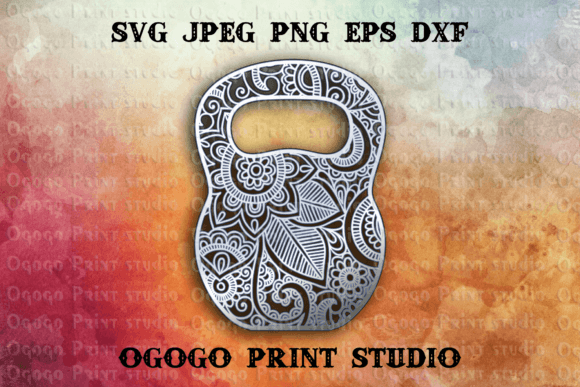
As a designer who spends more time behind an embroidery machine than a computer screen, I approach every new digital asset with a healthy dose of skepticism. When I first opened the Kettlebell Svg - 3D Layered Mandala SVG, I wasn't just looking for a cute graphic; I was evaluating its structural integrity for actual stitching. This file is marketed as a vector cutting file with three distinct layers, designed originally for crafters using die-cutting machines. However, for those of us in the machine embroidery design space, this multilayered structure presents a unique opportunity to create dimensional appliqué or faux-3D effects that flat digitizations simply cannot achieve.
The visual personality of this design strikes a specific balance between fitness motivation and intricate artistry. It avoids the aggressive, blocky aesthetic often found in gym-related merchandise. Instead, the mandala integration softens the industrial shape of the kettlebell, making it appropriate for a wider demographic. It feels less like sports equipment and more like a lifestyle emblem. For a small business owner or Etsy seller, this versatility is crucial. It bridges the gap between a hardcore lifting gift and a trendy wellness accessory, expanding your potential customer base without diluting the theme.
Real-World Application: The Boutique Tote Bag Test
To truly evaluate this asset, I mentally prototyped a custom embroidered tote bag intended for a local yoga and pilates studio collaboration. Tote bags are high-stakes projects because the fabric is usually unstructured canvas or cotton twill, meaning there is nowhere to hide poor registration or excessive density. Because the Kettlebell Svg - 3D Layered Mandala SVG comes in three separate layers, my immediate thought was to utilize this for a layered appliqué technique rather than traditional fill stitches.
In this scenario, I would assign the bottom layer as a foundation satin stitch border on the canvas. The second layer could be a contrasting fabric piece, perhaps a textured linen or a subtle metallic cork, adhered with fusible web before stitching. The top mandala detail layer would then serve as the defining outline and internal texture. This approach transforms a standard tote bag design into a premium handmade product. Customers perceive value in tactile depth. When they run their fingers over the embroidery and feel the distinct separation of materials, the perceived worth of the item increases significantly compared to a flat, dense patch of thread. This specific layering capability makes the file exceptionally valuable for makers focusing on high-end personalized gifts or boutique branding where texture communicates quality.
Navigating Fabric Limitations and Hoop Constraints
While the design is versatile, practical experience dictates caution regarding placement and substrate. The intricate nature of a mandala means that line clarity is paramount. If you are considering this for sweatshirt embroidery on heavy fleece, you must account for pile. Fleece tends to swallow fine details. Without a proper water-soluble topping and potentially a light knockdown stitch (which you may need to add manually since this is primarily a cut file), the delicate inner petals of the mandala could get lost in the fabric nap.
Furthermore, consider the geometry when working with curved surfaces. Caps and hats are popular for fitness niches, but the rigid symmetry of a kettlebell combined with radial mandala patterns can distort visually on a curved brim. I would advise against using the full three-layer stack on a low-profile cap unless you have tested it extensively. The registration marks required to align three separate physical layers on a curved surface increase the margin for error. For caps, simplifying to two layers or flattening the design might be necessary to maintain professional standards.
Stretchy fabrics like performance athletic wear also present challenges. A 3D layered effect adds weight and stiffness. On a lightweight moisture-wicking shirt, this could cause sagging or puckering around the design area. Always pair this design with appropriate stabilizer choices—likely a cutaway for knits—and test the stitch density interaction before committing to a production run. Remember, this file is natively a vector cutting format; if you are converting it for embroidery software, verify that your auto-digitizing settings aren't creating unnecessarily dense underlay that compounds the stiffness issue.
Elevating Product Value Through Design Intent
From a commercial perspective, how you utilize the Kettlebell Svg - 3D Layered Mandala SVG directly impacts buyer engagement. In a saturated market of generic fitness gear, presentation is everything. When creating printable mockups or listing photos for your shop, highlight the dimensionality. Don't just show a flat digital preview. Photograph the finished product at an angle that catches shadows between the layers. This visual cue signals to the buyer that this is not a cheap iron-on transfer but a carefully constructed piece of fiber art.
This attention to detail builds customer trust. When a client receives a personalized gift or a piece of custom apparel that matches the high-quality expectation set by your photos, return rates drop and reviews improve. The mandala element specifically aids in recognition; it acts as a signature style that differentiates your brand from competitors using standard clip art. Whether you are selling embroidered patches at a craft fair or listing digital embroidery files online, maintaining this level of intentionality ensures your work stands out as professional and deliberate.
Critical Notes for the Embroidery Professional
Before you load this file into your machine or list it in your shop, please heed these practical designer notes derived from years of troubleshooting:
- Verify Licensing and Format: The product description notes that 10% of proceeds go to charity, which is wonderful, but always confirm the specific commercial license terms for your intended use. Ensure you are legally cleared to sell finished items or modified digital assets.
- Test on Scrap Fabric First: Never assume a vector conversion will stitch perfectly out of the box. Run a test on the exact fabric and stabilizer combination you plan to use for the final project.
- Check Thread Color Contrast: The success of a 3D layered look relies entirely on contrast. Test your color palette in black and white mockups first. If the layers blend together in grayscale, they will lack definition in thread.
- Inspect Small Details: Zoom in to 400% in your embroidery software. Look for gaps between layers or jagged edges that occurred during vector-to-stitch conversion. Manually smooth nodes if necessary.
- Confirm Hoop Size Compatibility: Measure the final dimensions after adding any necessary alignment guides or basting boxes. Ensure the design fits comfortably within your hoop with adequate clearance for the presser foot.
- Evaluate Washability: If this is for baby embroidery or kitchen towels, consider whether three physical layers of fabric and thread will hold up to frequent laundering. You may need to secure raw edges with a tighter satin stitch or blanket stitch to prevent fraying over time.
The Kettlebell Svg - 3D Layered Mandala SVG offers a sophisticated alternative to standard fitness motifs, provided it is treated with the technical respect required for textile application. By understanding its strengths in layering and acknowledging its limitations on difficult substrates, you can transform this digital asset into tangible, high-value products that resonate with clients and reflect true craftsmanship. Always prioritize the physical reality of stitching over digital convenience, and your results will consistently meet the high standards your customers expect.