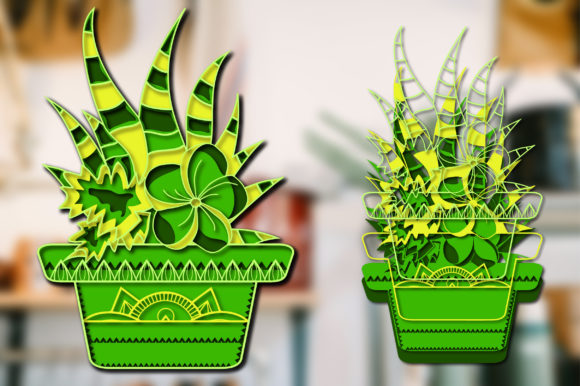
Succulent 3D Multilayer: 3D SVG Paper Flowers Asset
First Impressions: Editorial Mood and Visual Texture
As a digital publisher constantly scouting for assets that elevate content beyond generic stock photography, my first encounter with the Succulent 3D Multilayer design was refreshing. In an era where web design often leans toward flat minimalism or AI-generated surrealism, this graphic design asset brings a tangible, handcrafted warmth that is difficult to replicate digitally. The immediate editorial mood is one of organic sophistication and tactile creativity. It does not scream for attention; rather, it invites the reader in with a sense of calm and artisanal quality.
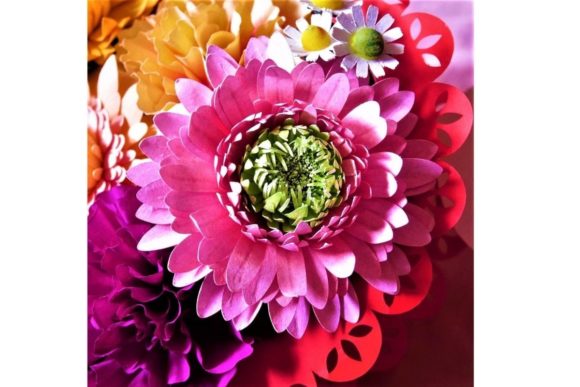
For bloggers and content creators, this specific aesthetic signals a niche focused on mindfulness, DIY culture, botanical education, or feminine lifestyle branding. Unlike standard vector illustrations, the multilayer construction implies depth and shadow, mimicking the physical reality of paper flowers. This distinction is crucial for reader perception. When a visitor lands on a page featuring this asset, they subconsciously associate the content with care, detail, and premium quality. It feels less like a corporate placeholder and more like a curated element of a personal brand identity, making it an excellent choice for publishers who need to establish trust through visual consistency.
Deploying the Asset Across Content Marketing Channels
In a real publishing workflow, versatility is non-negotiable. I evaluated the Succulent 3D Multilayer file package specifically for its utility across multiple content touchpoints. Receiving original images without watermarks and transparent backgrounds in SVG, AI, and PNG formats at 300ppi is the industry standard we expect, but how these files perform in practice matters most.
For blog graphics and featured images, the transparent PNG version is a workhorse. It allows you to overlay the succulent onto solid color blocks or soft gradients within Canva templates without awkward white boxes disrupting the visual hierarchy. This is particularly effective for Pinterest pin creation, where vertical space is premium. The intricate layers of the 3D SVG provide enough visual interest to stop the scroll without requiring heavy text overlays. As a website header or hero image, the scalable vector format ensures crisp rendering on retina displays, maintaining professional polish regardless of screen size.
Beyond standard blogging, this asset shines in digital product creation. If you are developing a lead magnet, such as a gardening checklist or a craft tutorial PDF, the high-resolution 300ppi files ensure your printable design looks sharp when printed at home. For affiliate marketers promoting Cricut machines or laser cutters, using this asset as a demonstration visual bridges the gap between technical specs and creative possibility. It transforms a dry review into an aspirational showcase, directly supporting conversion goals.
Enhancing Click-Through Rates and Brand Recognition
Visual communication is directly tied to content performance. Using the Succulent 3D Multilayer asset strategically can improve key metrics. A stronger first impression reduces bounce rates by signaling relevance immediately. When used consistently across category thumbnails and newsletter headers, it builds a cohesive visual identity that aids in brand recognition. Readers begin to associate that specific layered floral aesthetic with your unique voice.
Furthermore, in competitive niches like crafts or home decor, click-through potential often hinges on perceived value. A custom-designed 3D paper flower graphic suggests exclusive content, whereas generic clipart suggests low-effort aggregation. By integrating this modern design element into your editorial layouts, you signal to both readers and search engines that your site offers high-quality, original resources. This is especially vital for small business branding where every pixel must justify its existence on the page.
Strategic Placement: Where the Design Thrives
Through testing various layouts, I found specific environments where this asset performs exceptionally well:
- Hero Sections: Placed to the right of headline text on landing pages, balancing negative space.
- Pinterest Pins: Serving as the central focal point against pastel or earth-tone backgrounds.
- Digital Guides: Used as chapter dividers or cover art for eBooks and worksheets.
- Social Media Previews: Adding texture to Instagram carousels or Facebook link previews.
- Content Upgrades: Decorating opt-in forms to make them feel like gifts rather than transactions.
These placements leverage the asset’s strength: its ability to add organic softness to rigid digital grids. The interplay of light and shadow in the multilayer design creates natural focal points that guide the eye through the layout.
Navigating Limitations and Contextual Awareness
However, no design asset is universal. There are contexts where the Succulent 3D Multilayer should be used with extreme caution. On small mobile thumbnails, the intricate layering can become muddy or indistinguishable, potentially looking like visual noise rather than art. In text-heavy blog images, the complexity of the paper flowers may compete with typography, reducing readability.
Additionally, consider your niche tone. While perfect for lifestyle, craft, and wellness sectors, this asset may feel out of place in serious corporate finance, legal tech, or ultra-minimalist architecture blogs. The decorative nature of 3D SVG paper flowers carries inherent connotations of playfulness and femininity that might clash with stern or industrial brand identities. Always prioritize clarity over decoration; if the asset distracts from the core message, it fails its purpose.
Publisher Notes: Technical Workflow and Licensing
Before integrating this into your live site or commercial products, run through this practical checklist to ensure professional results:
- Cross-Device Testing: Preview the SVG on both desktop and mobile. Ensure the layer separation remains distinct on smaller screens.
- Typography Pairing: Test the asset beside serif fonts for elegance, sans-serif for modernity, and script fonts for a handmade feel. Avoid overly decorative display fonts that fight with the flower's details.
- Contrast Checks: Verify readability when placing text near the graphic. The shadows in the 3D design can sometimes reduce contrast against dark backgrounds.
- Web Performance: While SVGs are generally lightweight, complex multilayer files can have large codebases. Optimize the SVG code using tools like SVGO before uploading to prevent slowing down page load speeds.
- Licensing Verification: Crucially, confirm the commercial license terms. If you plan to use this on monetized websites, affiliate pages, or within paid digital downloads, ensure your usage rights are clear. Ethical publishing requires respecting creator terms.
- File Management: Keep the master AI and 300ppi PNG files archived for print projects, but use optimized web versions for online content to maintain site speed.
Ultimately, the Succulent 3D Multilayer asset represents a valuable addition to the creative entrepreneur’s toolkit. It bridges the gap between digital convenience and analog charm, offering a versatile solution for publishers seeking to infuse their web design, editorial content, and digital products with genuine artistic character. When applied with intention and technical care, it transforms standard content into a visually compelling experience that resonates with audiences craving authenticity in a digital world.