Unicorn 3D Layered Paper Cut SVG Review
As a designer who constantly bridges the gap between digital assets and tangible textiles, I approach every new file with a specific question: will this actually stitch out beautifully, or is it just a pretty screen image? When I first opened the Unicorn 3D Layered Paper Cut SVG, my immediate reaction was one of cautious optimism. Originally intended for shadow boxes and layered paper art, this vector file possesses a distinct aesthetic that translates surprisingly well to machine embroidery design, provided you understand how to adapt those crisp paper layers into thread.
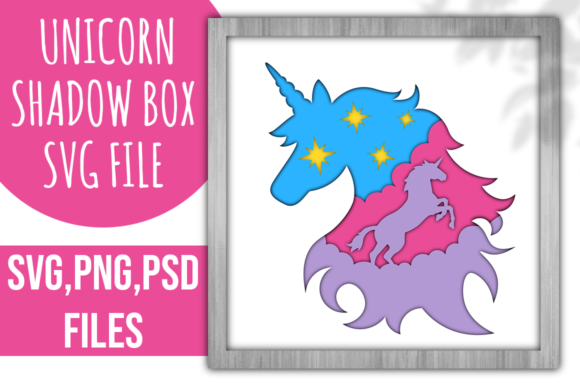
The visual personality of this design is whimsical yet structured. Unlike traditional embroidery files that rely on complex fill stitches to create depth, this 3D SVG uses distinct, separated shapes to imply dimension. For an embroidery digitizer or crafter, this is a goldmine. It mimics the look of intricate applique work without necessarily requiring twenty different fabric changes. The mood is soft and magical, making it an immediate contender for nursery decor, personalized gifts, and boutique children’s apparel. However, moving from a paper cut concept to a stitched reality requires a critical eye toward stitch density and fabric interaction.
Adapting Paper Layers for Custom Apparel
I recently tested this concept while preparing a custom sweatshirt embroidery project for a client’s small shop merchandise line. The goal was to create a high-value handmade product that looked expensive but remained comfortable to wear. Because the Unicorn 3D Layered Paper Cut SVG is a vector file with unlimited resizing capabilities, I was able to scale the design perfectly for a 4x4 hoop size without losing any edge definition. This scalability is crucial for Etsy sellers and craft business owners who need versatile design assets that work across baby embroidery onesies and adult tote bag designs alike.
In this real-life scenario, I treated each "paper layer" as a separate color block or applique piece. The result was a textured, dimensional effect that customers associate with premium commercial embroidery. The clean lines of the SVG meant that running stitch outlines were sharp and precise, avoiding the jagged edges that often plague poorly converted raster images. For a small business owner, this clarity builds customer trust; when a buyer sees crisp details in a product photo or printable mockup, they perceive professionalism and quality before they even touch the finished product.
Fabric Choices and Stabilizer Strategy
While the design is versatile, it demands respect for fabric texture and weight. During my testing, I found that the Unicorn 3D Layered Paper Cut SVG performs exceptionally well on stable, medium-weight fabrics like cotton canvas for tote bags or fleece for blankets. These materials provide enough body to support the layered look without puckering. However, I would advise extreme caution when using this design on thin, stretchy knits or dark fabrics without proper preparation.
The nature of a 3D layered design means there are multiple stitch passes along similar paths. On lightweight jersey, this can lead to distortion if you do not use adequate stabilizer. A cut-away stabilizer is non-negotiable here to maintain the structural integrity of the unicorn’s silhouette. Furthermore, if you are working with dark fabric, consider how the "layers" will read visually. In paper art, shadows create depth; in embroidery, you must create that depth through thread color contrast. Test your thread colors against the fabric background before committing to a full production run. What looks like a distinct layer on a white screen might disappear entirely on a navy sweatshirt unless you adjust your palette or add a subtle satin stitch border to define the edges.
Navigating Hoop Sizes and Detail Limits
One practical consideration for embroidery projects involving this file is the relationship between detail and hoop size. While the SVG allows for infinite scaling, physics does not. If you resize this design down for a tiny baby hat or cap, the internal details of the unicorn may become too dense. Satin stitches have a maximum width limit, and stacking layers in a small area can result in a stiff, bulletproof patch of thread that is uncomfortable against skin.
For caps and curved surfaces, I recommend simplifying the design elements derived from the Unicorn 3D Layered Paper Cut SVG. Remove the innermost decorative layers and focus on the primary silhouette. This ensures the design lays flat and registers correctly on a curved surface. Always confirm your hoop size limitations before purchasing or downloading. As an instant digital download, you get immediate access, but verifying that the design fits your specific machine’s capabilities is a necessary step in professional workflow management.
Commercial Viability and Product Value
From a business perspective, this design offers excellent ROI for creative entrepreneurs. The "layered paper" aesthetic is currently trending in both digital and physical crafting spaces, making it highly searchable for holiday embroidery and gift-giving seasons. Because the file is vector-based, it serves dual purposes: you can use it to create physical embroidered patches and simultaneously use the same clean lines for digital marketing materials or printable mockups for your online listings.
This consistency strengthens brand recognition. When your digital previews match the tactile quality of your finished product, return rates decrease and buyer engagement increases. However, always review the licensing terms included with your instant digital download. Confirm whether you have rights to sell the finished embroidered products, the digital embroidery file itself, or both. Protecting your craft business starts with respecting intellectual property and ensuring your commercial embroidery practices are above board.
Essential Designer Notes for Success
Before you thread your needle or launch a new listing, keep these practical tips in mind to ensure the Unicorn 3D Layered Paper Cut SVG delivers professional results:
- Test Stitch First: Never run a new design directly on a sellable garment. Use scrap fabric that matches your final project’s weight and weave to check registration and tension.
- Evaluate Stitch Density: Since this originates as a paper cut file, ensure the digitizing software hasn't created excessive overlap where layers meet. Adjust density settings to prevent fabric damage.
- Check Thread Contrast: View your color chart in grayscale. If the layers blend together in black and white, they will lack the necessary 3D pop in thread form.
- Verify Licensing: Double-check if the license covers selling finished items versus reselling the digital file. This distinction is vital for Etsy sellers and small shop owners.
- Mind the Washability: If creating tea towels or baby clothes, ensure the stitch type can withstand frequent laundering. Running stitches may need reinforcement, and rayon threads should be swapped for polyester for high-wear items.
- Mockup Accuracy: When creating digital previews, use realistic textures rather than flat colors to accurately represent how the layered design will appear on fabric.
Ultimately, the Unicorn 3D Layered Paper Cut SVG is a delightful asset that rewards thoughtful application. It bridges the gap between papercraft aesthetics and textile art, offering a unique niche for makers willing to put in the testing time. By treating this vector file as a blueprint rather than a finished instruction manual, you can elevate your embroidery portfolio and offer clients something truly distinct in a saturated market.