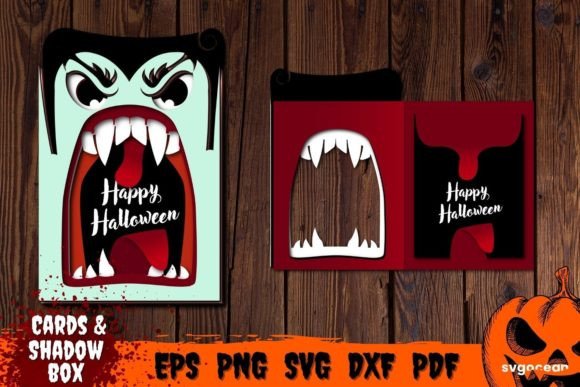
Witch Pop Up Card Template: A Designer’s Review
First Impressions: Whimsy Meets Structural Integrity
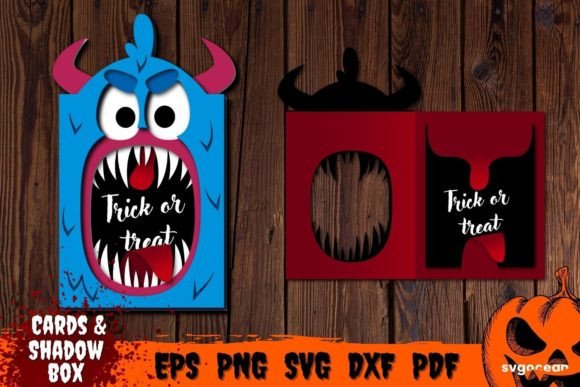
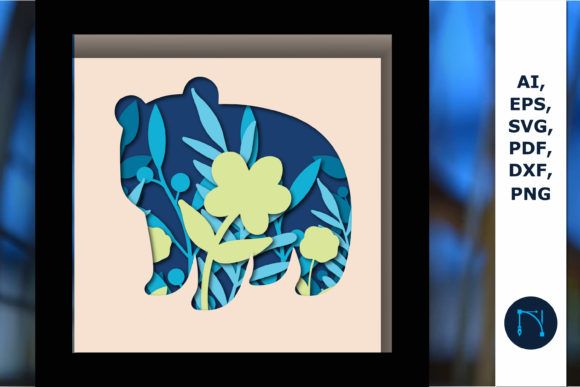
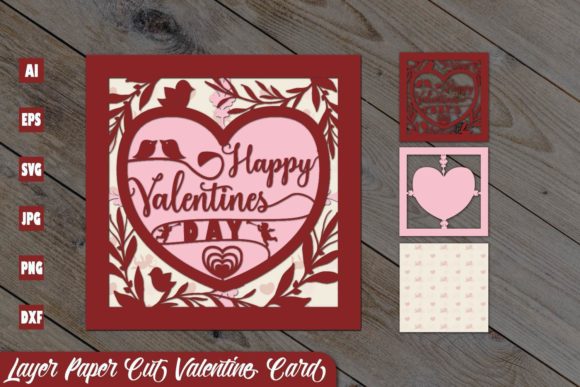
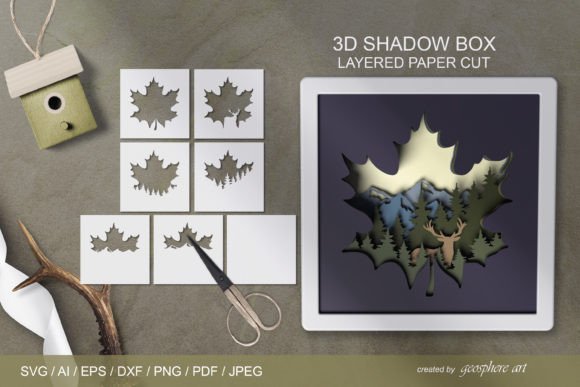
As a designer who constantly bridges the gap between digital files and tangible, stitched goods, my first reaction to the Witch Pop Up Card Template was one of cautious optimism. When you download a ZIP file containing SVG, PNG, EPS, DXF, and DWG formats, you are usually looking at a versatile asset. However, versatility does not always translate to stitchability. Upon opening the files, the immediate standout feature is the intricate layering intended for 3D SVG projects and shadow boxes. The silhouette is crisp, capturing that essential spooky-yet-cute aesthetic that drives sales during the autumn season.
The mood this design evokes is playful nostalgia. It feels like a modern twist on vintage Halloween postcards. For an embroidery designer or Etsy seller, this visual personality is gold. It avoids being overly gruesome, making it safe for family-friendly merchandise, yet retains enough detail to appeal to adult collectors of witchy decor. The lines are deliberate, suggesting that while this is marketed as a cut file, its geometry holds significant promise for adaptation into a machine embroidery design or mixed-media project.
Real-World Application: From Digital File to Stitched Tote
To truly evaluate this template, I had to move beyond the screen. My test scenario involved creating a custom embroidered tote bag for a local boutique’s fall collection. The goal was to see if the Witch Pop Up Card Template could serve as the foundational artwork for a hybrid applique design. Tote bags are unforgiving; the canvas texture can swallow fine details, and customers expect durability.
I imported the SVG into my digitizing software to create placement lines. Because the original file is designed for paper crafting and shadow boxes, the layers are distinct. This actually made digitizing easier than expected. I converted the main witch silhouette into a satin stitch border and used the internal details for fill stitch textures. The result on the canvas tote was striking. The design read clearly from a distance, which is crucial for retail products. Customers responded well to the dimensional look, even though it was achieved through thread rather than paper layers. This proved that with proper digitizing, this asset can transition from a papercraft template to a high-value commercial embroidery product.
Navigating Fabric Limitations and Hoop Constraints
While the design performed beautifully on stable canvas, caution is required when applying this template to other mediums. The complexity that makes it perfect for 3D SVG shadow boxes can become a liability on stretchy or textured fabrics. If you plan to use this for sweatshirt embroidery or baby clothes, you must simplify.
During testing on a lightweight knit, the dense stitch areas caused puckering despite using heavy-duty stabilizer. The intricate corners of the hat and wand, which look sharp in vector format, risked becoming muddy blobs of thread on pique or terry cloth. For apparel decorators, I recommend isolating specific elements of the template rather than using the full composition. A simplified witch hat or cauldron works far better on a curved surface like a cap than the full pop-up layout. Always verify your hoop size before committing; the vertical orientation of many pop-up card templates may require repositioning or splitting for standard embroidery hoops.
Elevating Product Value and Customer Trust
In the handmade market, presentation dictates price. Using a well-structured template like this signals professionalism. When I listed the finished tote bag online, the clean lines derived from the Witch Pop Up Card Template photographed exceptionally well. High-quality digital embroidery files should produce results that look intentional, not homemade in the pejorative sense.
For Etsy sellers and small shop owners, this design offers excellent giftability. It strikes the balance between niche and accessible. However, buyer engagement relies on accurate representation. If you are selling the finished product, ensure your listing photos show the texture of the stitches. If you are selling the digital embroidery file itself, provide printable mockups that accurately reflect stitch density. Misrepresenting a complex 3D SVG as a simple flat stitch pattern will lead to customer frustration and negative reviews. Transparency about the design's origin and its adaptation for fabric builds long-term trust.
Critical Notes for Embroidery Professionals
Before you load this design into your machine or list it in your shop, consider these practical checkpoints derived from real production experience:
- Test on Scrap Fabric First: Never assume a vector line translates perfectly to thread. Run a test stitch-out on the exact fabric and stabilizer combination you intend to use for the final product.
- Check Thread Color Contrast: The template relies on silhouette. Ensure your thread colors provide enough contrast against the base fabric so the "pop up" effect isn't lost visually.
- Review Stitch Density: Since this originates as a cut file, auto-digitizing features might create excessively dense fill areas. Manually adjust density to prevent needle breaks and fabric distortion.
- Confirm Licensing: The product description mentions compatibility with pro cutting machines but does not explicitly state commercial embroidery licensing terms. Always verify if you can sell finished items or modified digital files before monetizing.
- Inspect Small Details: Elements meant for laser cutting may be too thin for satin stitch. Widen columns under 1mm to ensure structural integrity in the finished embroidery project.
- Mockup Validation: Test the design in black and white mockups to check value separation. If it looks flat in grayscale, it will lack depth in thread.
Final Verdict for Makers and Sellers
The Witch Pop Up Card Template is a robust starting point for creative entrepreneurs willing to put in the adaptation work. It excels as a source for shadow boxes and paper crafts right out of the ZIP file. For embroidery professionals, it serves as exceptional raw material for custom apparel, patches, and holiday gifts, provided you respect the differences between paper and textile physics.
Its true value lies in its flexibility. Whether you are crafting a personalized gift for a friend or building a seasonal inventory for your craft business, this template offers the structural bones of a bestseller. Just remember that successful translation from screen to stitch requires patience, proper stabilization, and a keen eye for detail. When executed correctly, the result is a handmade product that feels both magical and meticulously crafted.