3D Model Old Wooden Wheelbarrow: Objects & 3D SVG Review
First Impressions: Authentic Rustic Texture for Heritage Brands
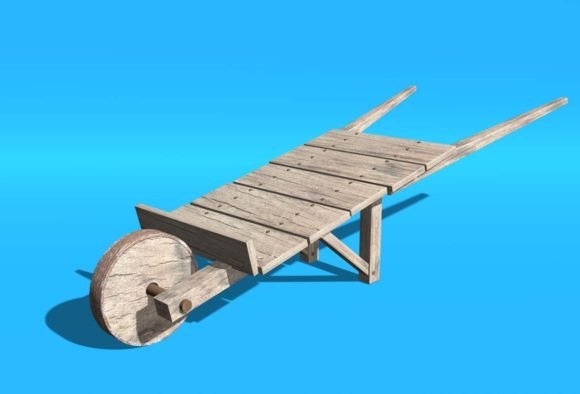
When evaluating a new graphic design asset for a client project, my primary concern is always authenticity. As a designer working with heritage brands and artisanal businesses, I recently tested the 3D Model Old Wooden Wheelbarrow for a seasonal campaign for a local organic farm market. The immediate strength of this asset lies in its textural fidelity. Unlike generic vector clipart that often feels flat or overly stylized, this model carries the visual weight of real-world wear. The inclusion of specific texture maps—two distinct wood grains and a dedicated rust layer—allows for a level of realism that is difficult to achieve with standard illustration techniques.
For designers sourcing Objects for modern design projects that require a vintage soul, this asset bridges the gap between digital convenience and analog warmth. It does not look like a pristine stock photo; it looks like a tool that has actually been used. This distinction is critical when building trust for a handmade business or an Etsy product line where customers value craftsmanship over mass production. The mood is undeniably nostalgic yet functional, making it an ideal anchor for visual storytelling in agricultural, gardening, or rustic home decor niches.
Technical Versatility: From Cinema 4D Renders to Vector Adaptations
The technical package provided with the 3D Model Old Wooden Wheelbarrow offers significant flexibility for professional workflows. Inside the package, there is the project of the 3D wheelbarrow in format Cinema 4D and OBJ with 3 textures including 2 of wood and one of rust. This object can serve as the foundational element for high-end product mockup creation or environmental rendering. For my farm market client, I utilized the OBJ file to create custom lighting scenarios that matched their existing brand photography, ensuring the digital asset didn't look pasted onto the layout.
However, many designers in the creative marketplace also seek 3D SVG adaptations or flattened PNG design files derived from such models. While the source files are 3D, the rendered outputs function exceptionally well as static illustration elements for print-on-demand merchandise. When converting this 3D data into 2D assets for Cricut project use or sublimation design, the distinct separation of wood and rust textures allows for easy masking and recoloring. This makes the wheelbarrow a versatile component within a larger design bundle, capable of transitioning from a photorealistic hero image on a website to a simplified icon on a woven label.
Strategic Applications in Brand Identity and Packaging Design
In practical application, this asset shines brightest when given room to breathe. For packaging design, specifically for jar labels, seed packets, or craft beer cans, the wheelbarrow acts as a powerful visual shorthand for "locally sourced" or "handcrafted." I found it particularly effective when paired with textured paper stocks in digital mockups, as the rust details complemented the grain of the packaging material. For brand identity work, it serves better as a secondary brand element or a seasonal motif rather than a primary logo mark, adding narrative depth to marketing visuals without overwhelming the typographic hierarchy.
Content creators and bloggers will find this asset invaluable for editorial design and social media graphics. In a Pinterest pin promoting autumn gardening tips, the 3D model provides a focal point that stops the scroll far more effectively than standard photography. Similarly, for Canva template creators, pre-rendered angles of this wheelbarrow can be offered as drag-and-drop elements for users who lack 3D software but desire that premium, dimensional aesthetic. It elevates digital product listings by providing a tangible sense of quality that flat vectors often lack.
Navigating Visual Hierarchy and Layout Constraints
Despite its strengths, the 3D Model Old Wooden Wheelbarrow requires careful placement to maintain visual hierarchy. Because the asset is rich in detail and mid-tone values, it can compete with body copy if not managed correctly. I advise against using this in small-scale applications like business card backdrops or dense informational flyers where readability is paramount. The intricate wood grain and rust patina can turn into visual noise at reduced sizes, undermining the professionalism of small business branding.
Furthermore, designers must be mindful of contrast. On dark backgrounds, the shadowed areas of the wooden slats may disappear unless rim lighting is added during the rendering phase or adjusted in post-production. Conversely, on pure white backgrounds, the asset can sometimes feel like it is floating without grounding. For web design and t-shirt design, I recommend placing the wheelbarrow on off-white, cream, or muted earth-tone backgrounds to preserve the integrity of the shadows and highlights. This ensures the object feels integrated into the composition rather than superimposed, maintaining the emotional appeal essential for commercial design success.
Professional Pre-Flight Checklist for Commercial Use
Before integrating this asset into any paid client work, a rigorous testing protocol is necessary to ensure it meets professional standards. As with any design assets acquired from external sources, due diligence protects both the designer and the client.
- Verify Commercial Licensing: Always confirm the specific commercial license terms. Ensure the license covers the intended end-use, whether that is physical merchandise, digital templates, or client branding.
- Test Print Quality: Render the model at 300 DPI at the final print size. Inspect the edges of the wood planks and the rust spots for aliasing or compression artifacts that might look acceptable on screen but fail in printable design output.
- Check Transparency and Masking: If using rendered PNGs, zoom in to 400% to verify the alpha channel. Jagged edges around the wheelbarrow handles or spokes will ruin the illusion of quality in sticker design or apparel printing.
- Typography Pairing: Test the asset against your chosen typeface. The organic, rough texture of the wheelbarrow typically pairs best with sturdy serifs, vintage display fonts, or clean sans-serifs. Avoid delicate scripts that may get lost against the busy texture of the wood.
- Black and White Conversion: Convert the render to grayscale to test value contrast. If the wheelbarrow disappears or becomes a muddy gray blob, you need to adjust the lighting or texture maps before using it in monochrome logo design variations or newspaper ads.
- Format Compatibility: If you plan to modify the model, ensure your version of Cinema 4D supports the provided file version. For those using only the renders, verify color profiles (CMYK vs. RGB) to prevent color shifting in final marketing visuals.
Final Verdict for Creative Professionals
The 3D Model Old Wooden Wheelbarrow is a robust tool for designers who specialize in tactile, heritage, and organic aesthetics. Its value proposition extends beyond being a mere decorative object; it is a mood-setting device that communicates history and labor. For creative design professionals targeting audiences who appreciate authenticity, this asset saves hours of modeling and texturing time while delivering studio-quality results. Whether used as a centerpiece for a seasonal campaign or a subtle textural accent in brand identity systems, it performs reliably when treated with respect for its visual weight. Just remember to let the texture lead the design, ensure proper licensing, and always test your renders in the final medium before going to print.